Briefly:
-
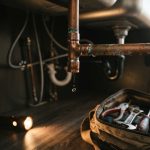
A licensed plumber identifies leaks, corrosion, and pressure problems before they cause structural or mold damage.
-
Routine inspections of fixtures, water heaters, and shutoff valves catch small issues early.
-
In Missoula, MT, seasonal temperature swings make periodic plumbing checks especially useful for preventing frozen or burst pipes.
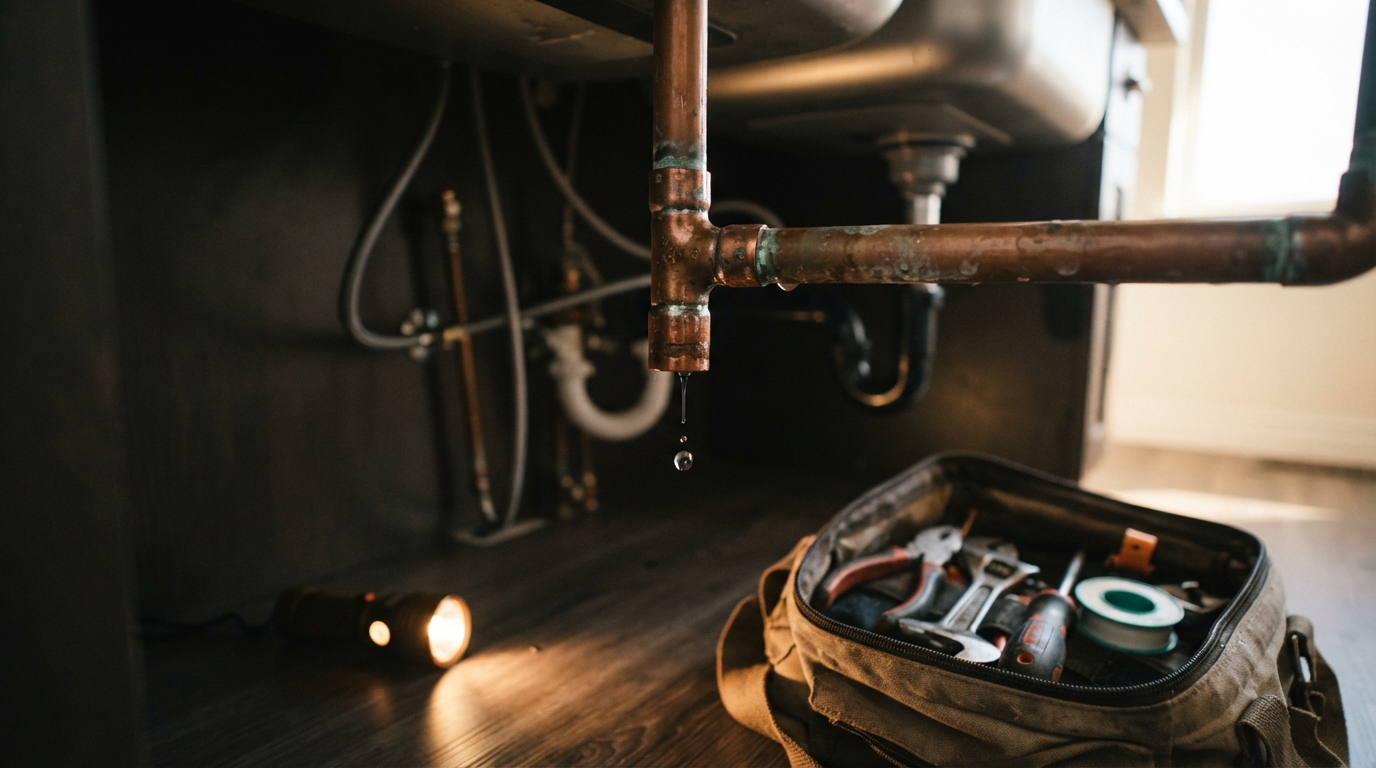
Water damage in a home often starts small, a slow drip under a sink or a corroded fitting behind a washing machine, and grows into a repair bill that affects flooring, drywall, and insulation. A Plumber trained to spot early warning signs can address these issues before they escalate into major structural problems.
Catching a leak within the first day or two matters because mold can begin to grow within 24 to 48 hours of water intrusion, according to a water damage restoration guide referencing EPA standards. That narrow window is one reason routine plumbing checks are treated as preventive maintenance rather than an optional expense.
Common Sources of Hidden Water Damage
Several plumbing components are prone to slow failures that go unnoticed until damage is visible on walls or ceilings.
-
Supply line connections behind appliances such as dishwashers and washing machines
-
Water heater tanks nearing the end of their service life
-
Pipe joints in crawl spaces or unfinished basements
-
Shutoff valves that have corroded or seized in place
The Environmental Protection Agency notes that addressing moisture problems requires identifying the source of moisture, cleaning and removing mold, fixing the source of moisture, and taking steps to prevent future mold growth. A plumbing inspection focuses on that first step, locating the source, before any visible damage occurs.
What a Plumbing Inspection Typically Covers
A structured inspection looks at the whole system rather than a single fixture. Technicians generally check:
- Visible pipe connections for corrosion, rust stains, or mineral buildup
- Water pressure at the main line and at individual fixtures
- The condition and age of the water heater tank or tankless unit
- Shutoff valve function in case of an emergency
- Drain lines for slow clogs that can back up and overflow
The EPA’s guidance on moisture control points out that rust is an indicator that condensation occurs on this drainpipe, and the pipe should be insulated to prevent condensation. That kind of detail is easy to miss without a trained eye, which is why periodic inspection remains a practical safeguard against water intrusion.
Seasonal Considerations for Missoula, MT
Winter freeze-thaw cycles in Missoula, MT create added stress on pipes, particularly those in exterior walls, crawl spaces, or unheated garages. Expanding ice inside a pipe can crack fittings, and the resulting leak may not surface until temperatures rise and water starts flowing again.
A fall or early winter plumbing check can identify pipes that lack adequate insulation before the coldest months arrive. This is a straightforward preventive step for homeowners in Missoula, MT who want to avoid emergency repairs during a cold snap.
|
Maintenance Task |
Typical Frequency |
Why It Matters |
|
Fixture and connection inspection |
Annually |
Catches slow leaks before they cause rot or mold |
|
Water heater check |
Annually |
Identifies tank corrosion or failing components |
|
Pipe insulation review |
Before winter |
Reduces freeze and burst risk |
|
Shutoff valve test |
Annually |
Confirms valves work during an emergency |
Business Info
Plumbing, HVAC, and water heating services in Missoula, MT are listed through Gavlak Plumbing & Heating, which includes fixture installation, leak repair, and water heater replacement among its published offerings.
Frequently Asked Questions
How often should plumbing be inspected to prevent water damage? Most plumbing professionals recommend an annual inspection of fixtures, connections, and the water heater, with additional checks before winter in colder climates.
What are early signs of a hidden plumbing leak? Watch for unexplained increases in water bills, musty odors, soft or discolored drywall, and visible rust or mineral deposits around pipe joints.
Can frozen pipes cause water damage even after they thaw? Yes. A pipe that cracked while frozen may not leak until the ice melts, so damage can appear days after a cold snap ends.
Is backflow testing related to water damage prevention? Backflow testing protects the water supply from contamination rather than preventing leaks directly, but it is often performed during the same inspection visits that catch other plumbing issues.
Final Thoughts
Preventing water damage comes down to catching small plumbing problems before they become expensive repairs, and routine inspection remains the most reliable way to do that. A current service listing for Gavlak Plumbing & Heating is published for the Missoula, MT area.