Snapshot:
- Mukilteo’s wet season and below-grade soil moisture make exterior membranes, drainage layers, and sealants the most reliable defense against basement water intrusion.
- A layered system, membrane, drainage, and sealant, addresses water pressure at the source rather than masking symptoms inside the home.
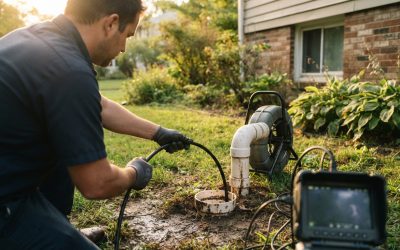
- Local drainage and sewer contractors offering free visual inspections can help homeowners identify the right fix before small leaks become structural problems.
Homeowners searching for a fix typically want to know what actually stops water from entering a basement for good, not just a temporary patch. The short answer: a combination of exterior membrane application, a drainage layer, and foundation sealing, installed together, offers the most durable protection against the region’s wet soil conditions.
Basement waterproofing in Mukilteo WA is less about one product and more about matching a layered system to the property’s specific drainage problems. Homes built on sloped or hillside lots near the waterfront face different pressure points than those on flatter inland parcels, which is why a visual inspection typically comes before any recommendation.
Why Basements in Mukilteo Are Prone to Moisture Problems
Western Washington’s climate is a major factor. Mukilteo receives a notable share of its yearly precipitation during the fall and winter months, with November historically standing out as the wettest stretch of the year according to NOAA climate data.
That sustained rainfall saturates the soil around foundations, increasing hydrostatic pressure against basement walls. Common contributing factors include:
- Poor yard grading that directs water toward the foundation instead of away from it
- Clogged or undersized gutters that overflow near the foundation line
- Aging or missing exterior drainage systems around older homes
- Cracks in foundation walls that widen over time under repeated moisture cycles
Core Components of an Effective Waterproofing System
A properly executed system relies on more than a single coat of sealant. Industry guidance on moisture management describes a layered approach combining membranes, drainage, and ventilation to manage water at multiple points rather than relying on one barrier alone, as outlined in recent moisture management research.
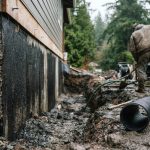
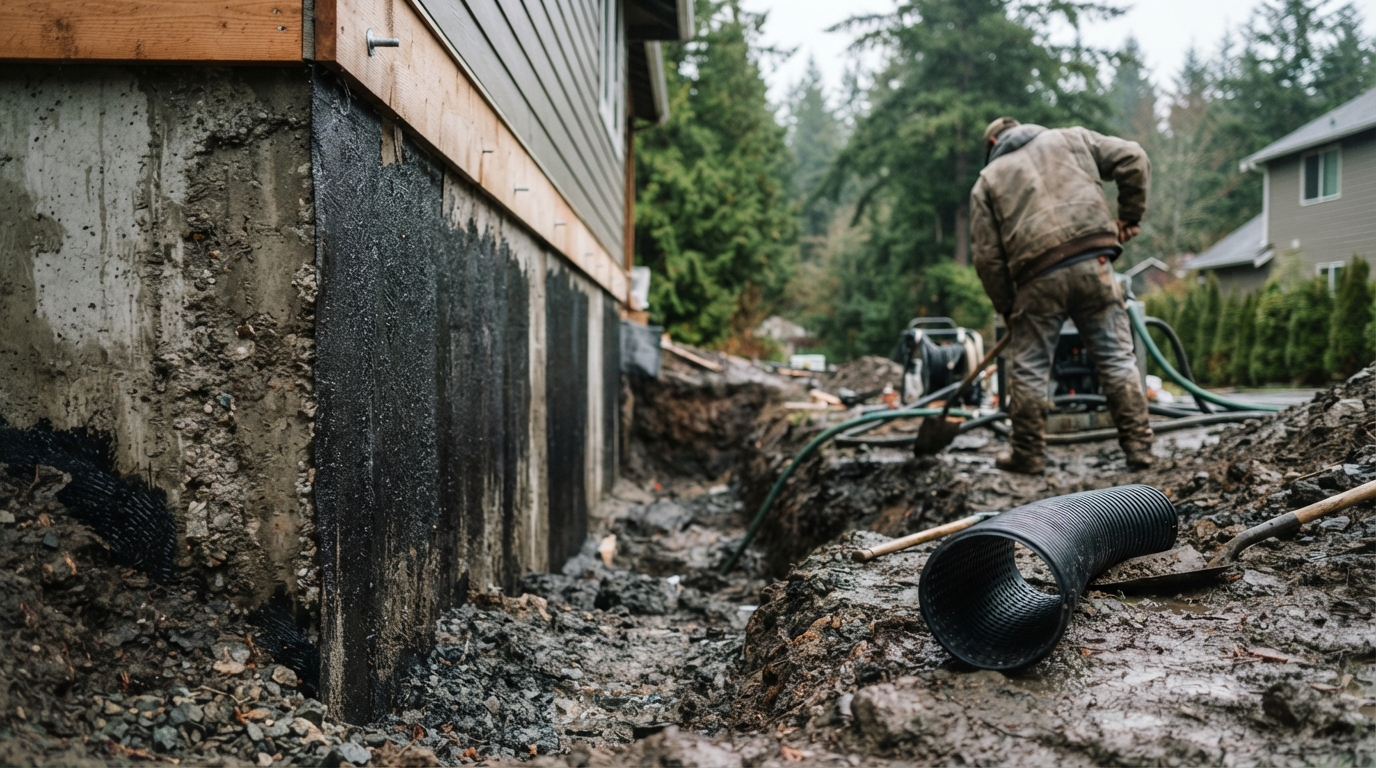
1. Exterior waterproofing membrane – applied directly to the foundation wall to block water penetration at the surface.
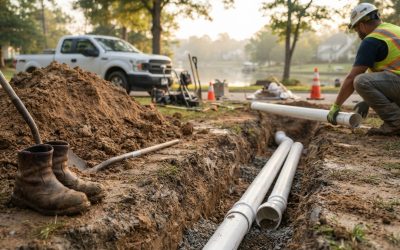
2. Drainage layer – channels water away from the foundation before it can pool or build pressure.
3. Sealant application – reinforces the membrane at joints, cracks, and vulnerable seams.
4. Grading and gutter corrections – reduce the volume of surface water reaching the foundation in the first place.
How the Layers Work Together
Each layer compensates for the limits of the others. The membrane resists moisture at the surface, the drainage layer manages what the membrane cannot fully block, and sealant closes gaps that could otherwise widen into leaks. This combined strategy is the basis of modern exterior foundation waterproofing systems used across the Pacific Northwest.
Comparing Waterproofing Approaches
|
Approach |
Best For |
Limitation |
|
Exterior membrane only |
New construction, accessible foundation walls |
Does not manage standing groundwater alone |
|
Interior sealant/coating |
Minor surface moisture, cosmetic cracks |
Does not relieve outside water pressure |
|
Combined membrane + drainage system |
Older homes, hillside lots, chronic seepage |
Requires excavation access around the foundation |
Signs a Mukilteo Home Needs Professional Evaluation
Not every damp spot requires a full system overhaul, but certain signs point to deeper issues:
- Musty odors that persist regardless of ventilation
- Visible efflorescence (white mineral deposits) on basement walls
- Recurring puddles near the foundation after rainfall
- Cracks that reappear after patching
Property owners noticing these patterns benefit from a professional inspection rather than repeated DIY patch jobs, since surface fixes rarely address the underlying drainage cause.
Choosing a Local Waterproofing Partner
Homeowners in Mukilteo and the surrounding Snohomish County area have access to contractors that combine drainage expertise with foundation-specific waterproofing methods. The Drain Doctors, Inc. is one such local provider, offering foundation waterproofing alongside property drainage, gutter drainage, and sewer services for residential and commercial clients in the area. Reviewing a company’s documented service history and verified customer feedback is a reasonable step before scheduling any foundation work.
Frequently Asked Questions
How long does a basement waterproofing project typically take? Timelines vary by the scope of excavation and the size of the affected foundation wall, so an on-site inspection is the most reliable way to get a project-specific estimate.
Can gutter and grading fixes alone solve a wet basement? They can reduce surface water volume, but homes with active seepage or hydrostatic pressure usually need a combined membrane and drainage solution for lasting results.
Is basement waterproofing only needed for homes with existing leaks? No. Preventive waterproofing is often recommended for homes in wet climates before cracks or seepage appear, particularly on sloped or hillside properties.
What is the first step in addressing a suspected foundation leak? Scheduling a visual inspection to identify the water’s entry point is the standard starting point before any repair work begins.
Basement moisture issues rarely resolve on their own, especially in a climate where wet soil conditions persist for months at a time. Addressing drainage, membrane protection, and sealant work together, rather than treating symptoms individually, gives Mukilteo homeowners a more durable path to a dry, stable foundation.